This is how we think about acidity
It's one of the hardest things to build in a non-alcoholic drink. Winemakers can slowly transform sugars into acids over months or years. We don't have that luxury. Instead, we rely on carefully controlled fermentations and ingredient selection to create the depth, structure, and energy that acidity brings.
At MURI, we believe how acidity is developed matters just as much as how much of it there is. Rather than relying on added acid powders to create structure, we build acidity through ingredients and fermentation, allowing each blend's character to emerge naturally.
Acidity does far more than make a drink taste bright. It shapes how a drink feels. It creates salivation, tension, precision, and freshness. It can make something feel juicier, more vibrant, more alive.
When we think about acidity, we begin with ingredients.
Some fruits are naturally rich in different acids, each bringing its own flavour and sensation. We use them not only for their taste, but for the experience they create in the glass.

Rhubarb is one of our favourite examples. It contains several naturally occurring acids, but two are especially important to its character. Malic acid brings a green, juicy tartness, similar to apples or wine grapes, while oxalic acid contributes brightness and a zesty edge.
For both Yamilé and Sherbet Daydream, we use a heritage variety known as Svendborg Vinrabarber, or "Svendborg Wine Rhubarb." Grown on the Danish island of Fyn, this variety contains lower levels of oxalic acid than many modern cultivars, resulting in a softer, rounder acidity. The result is a crisp, mouth-watering freshness that feels juicy rather than sharp.
Berries are another important source of acidity in our blends. Denmark and the surrounding Nordic region produce exceptional fruit, and we try to make the most of what grows close to home.
We regularly work with white, red, and black currants, alongside gooseberries. While each fruit expresses itself differently, they all share a balance of citric and malic acids. White currants offer a delicate, elegant freshness. Red and black currants bring juiciness and help balance sweetness. Gooseberries often feel almost grape-like: sharp, vibrant, and incredibly refreshing.
 Alongside ingredients, fermentation allows us to create acidity in places where it wouldn't naturally exist.
Lactic fermentation is one example. Through this process we develop lactic acid, a softer and rounder acidity than many fruit-derived acids. It contributes gentle sourness, texture, and a sense of balance, helping create layers of flavour that unfold gradually rather than all at once.
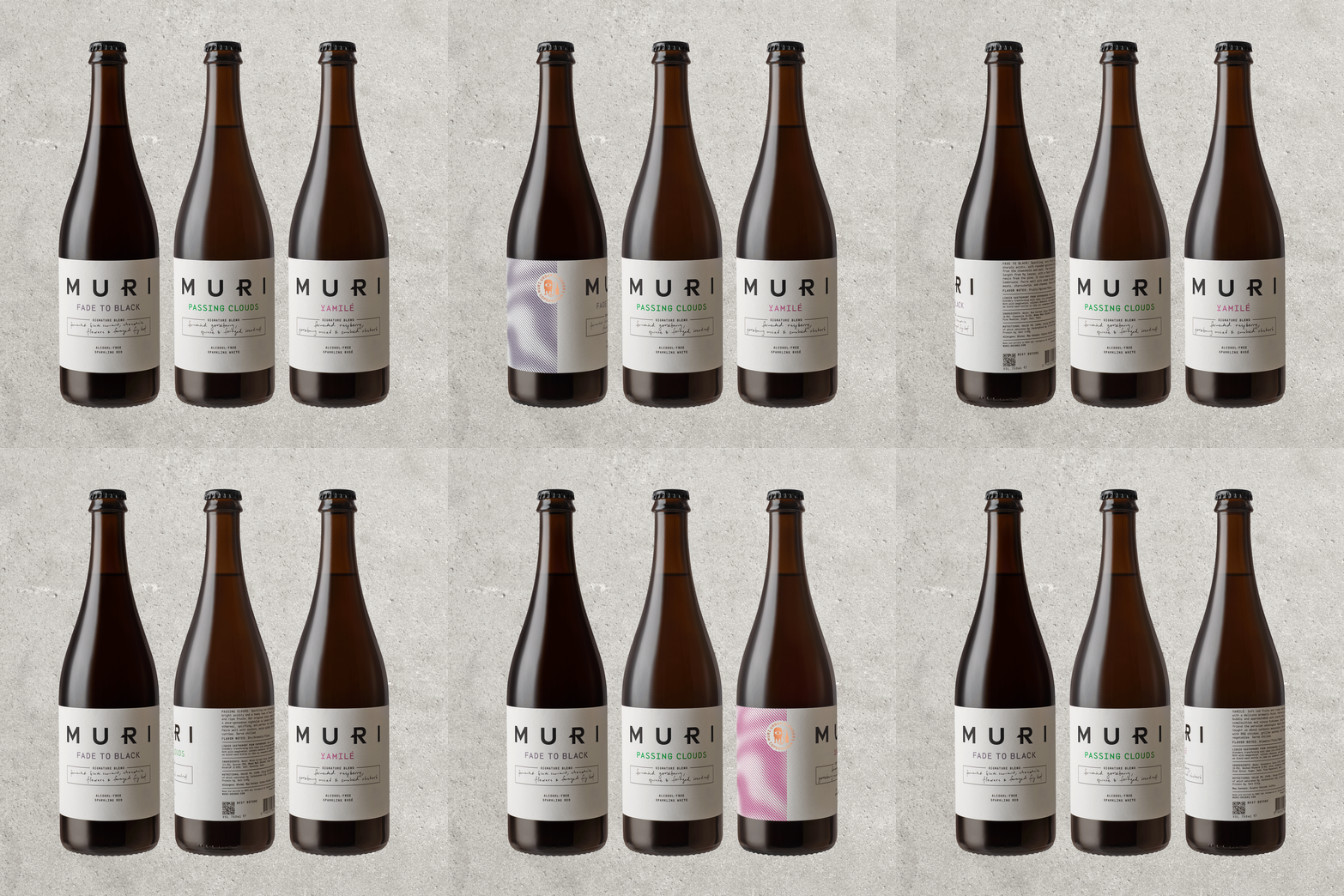
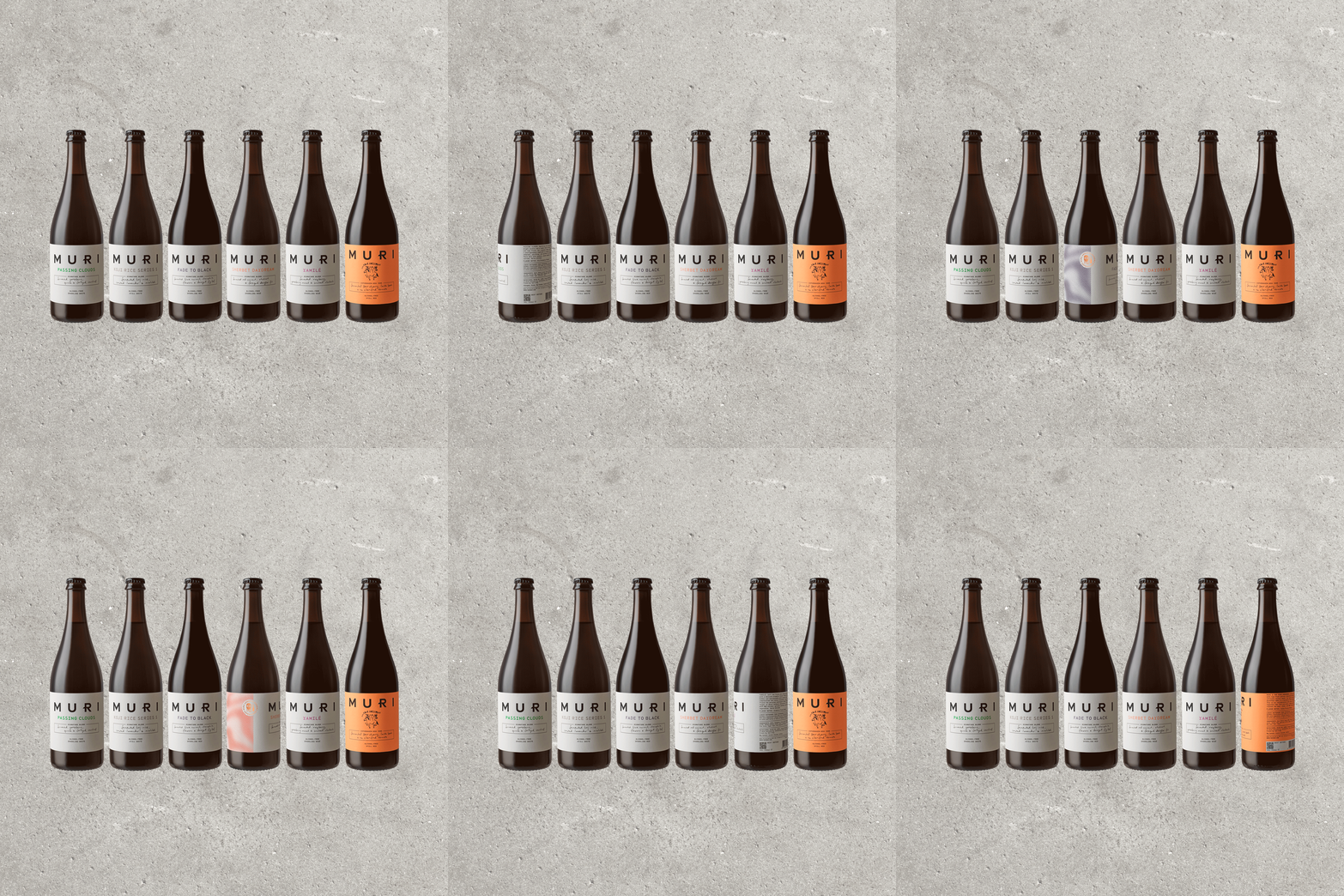
Passing Clouds, Fade to Black and Sherbet Daydream are some of our blends that showcase how acidity can shape both flavour and texture.